Maximo SaaS & Hyperscalers
Modernizing how a 40-year-old enterprise platform is deployed, purchased, and brought to value.
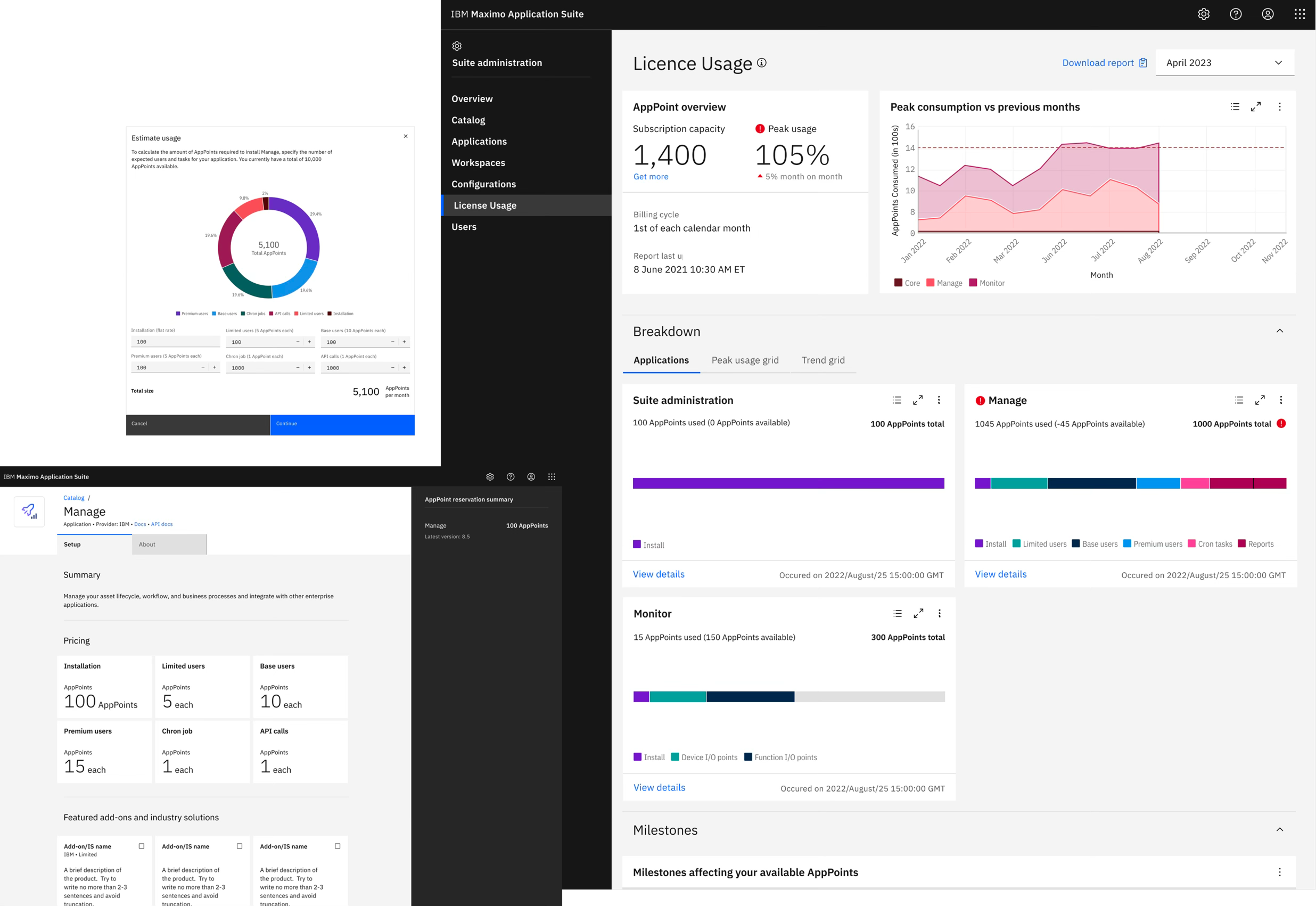
This work focused on helping Maximo evolve from a more traditional enterprise software model into one better suited to SaaS delivery and modern cloud buying routes, including hyperscaler marketplaces such as AWS and Azure.
I helped shape Maximo’s evolution toward a stronger SaaS model and its path into hyperscaler marketplaces, working across product definition, admin experience, onboarding journeys, and route-to-market complexity.
The challenge
I see these as one story rather than two. In both cases, the underlying challenge was the same: how do you help a long-established enterprise product behave more like a modern software business without losing the capability depth that made it valuable in the first place?
This was never just about packaging or hosting. The deeper work was in clarifying responsibility boundaries, simplifying the path to value, and making historically complex deployment and administration models feel more workable for customers.
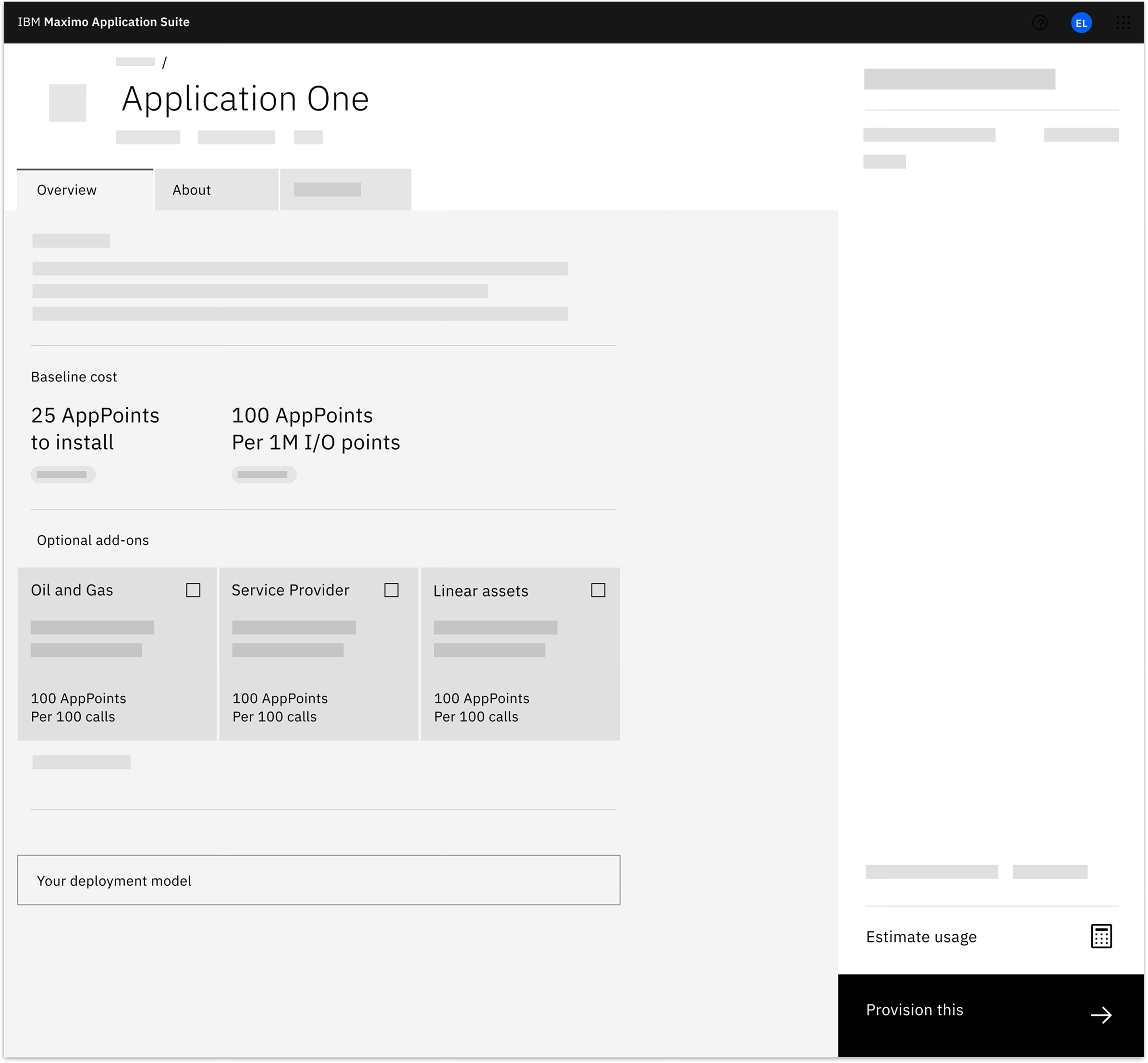
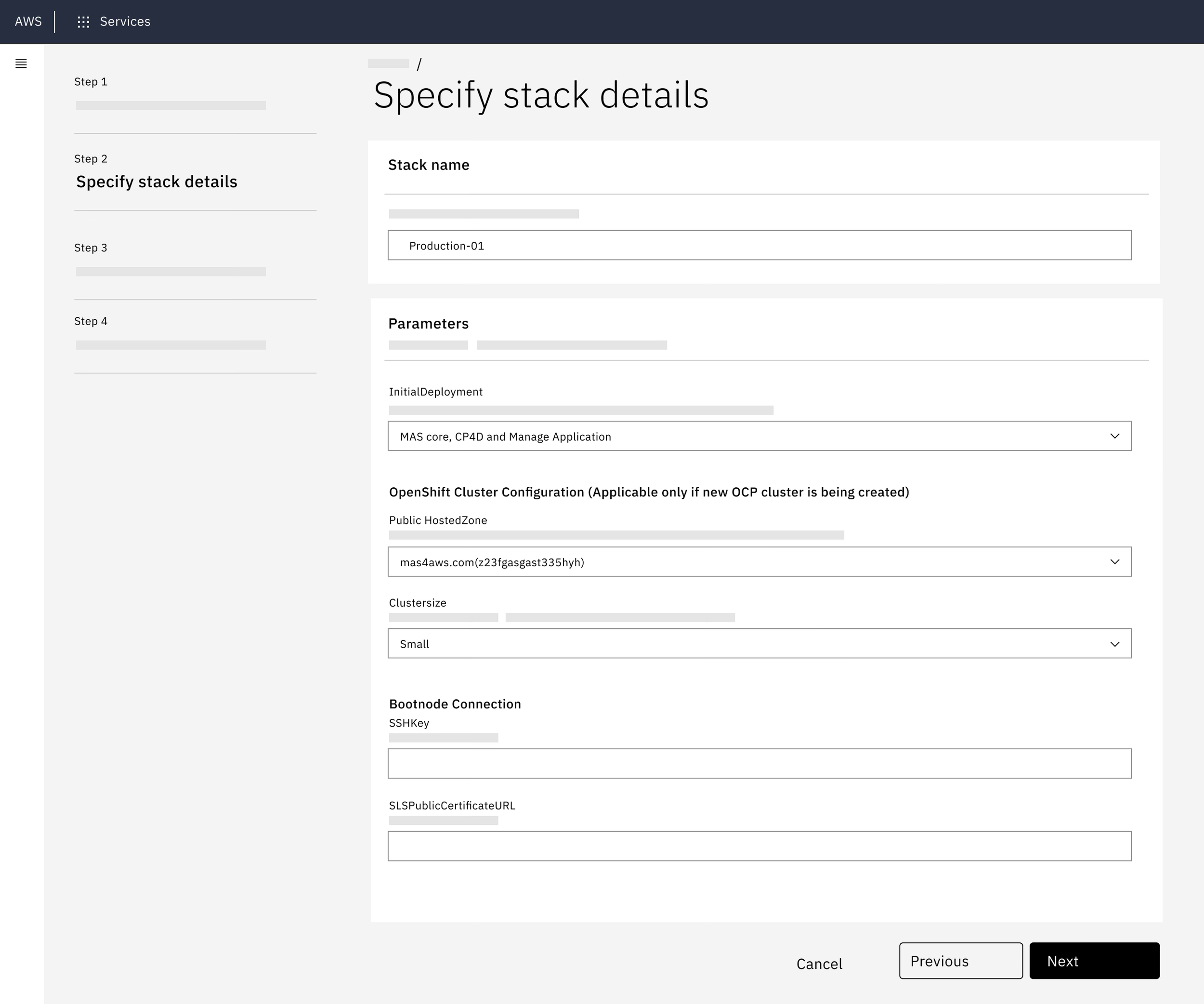
That included customer and admin journeys, pricing logic, provisioning, deployment experience, and new routes through hyperscaler marketplaces where expectations are very different from traditional enterprise sales motions.
My role
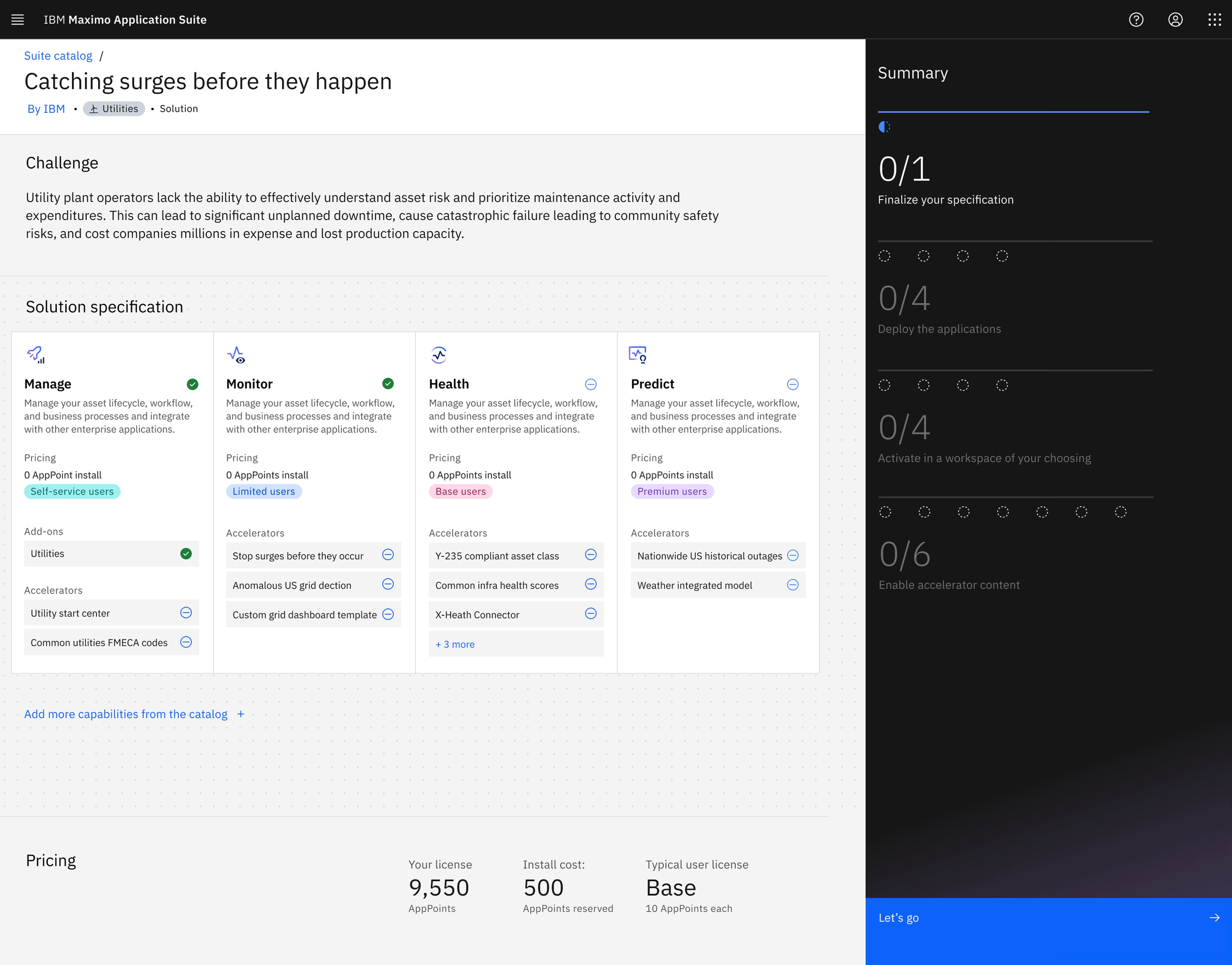
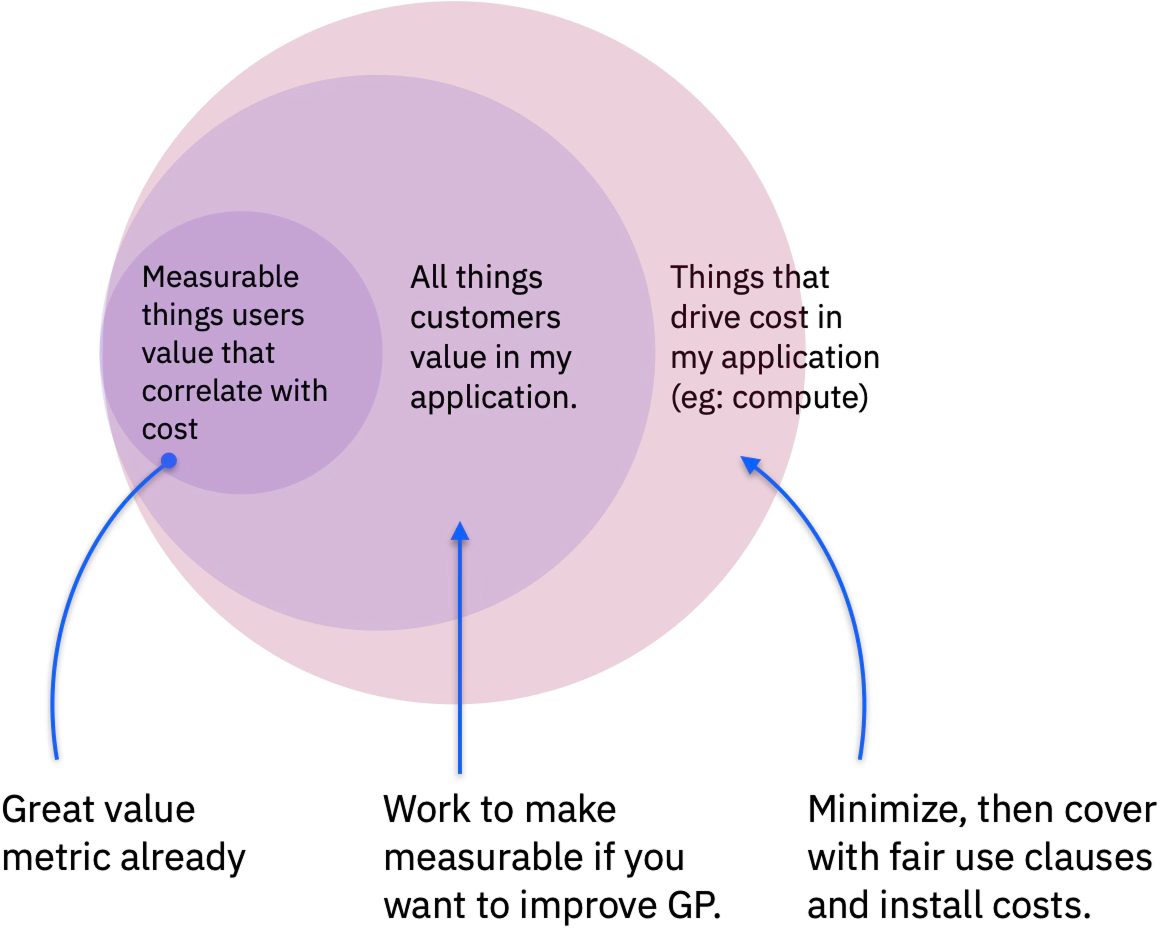
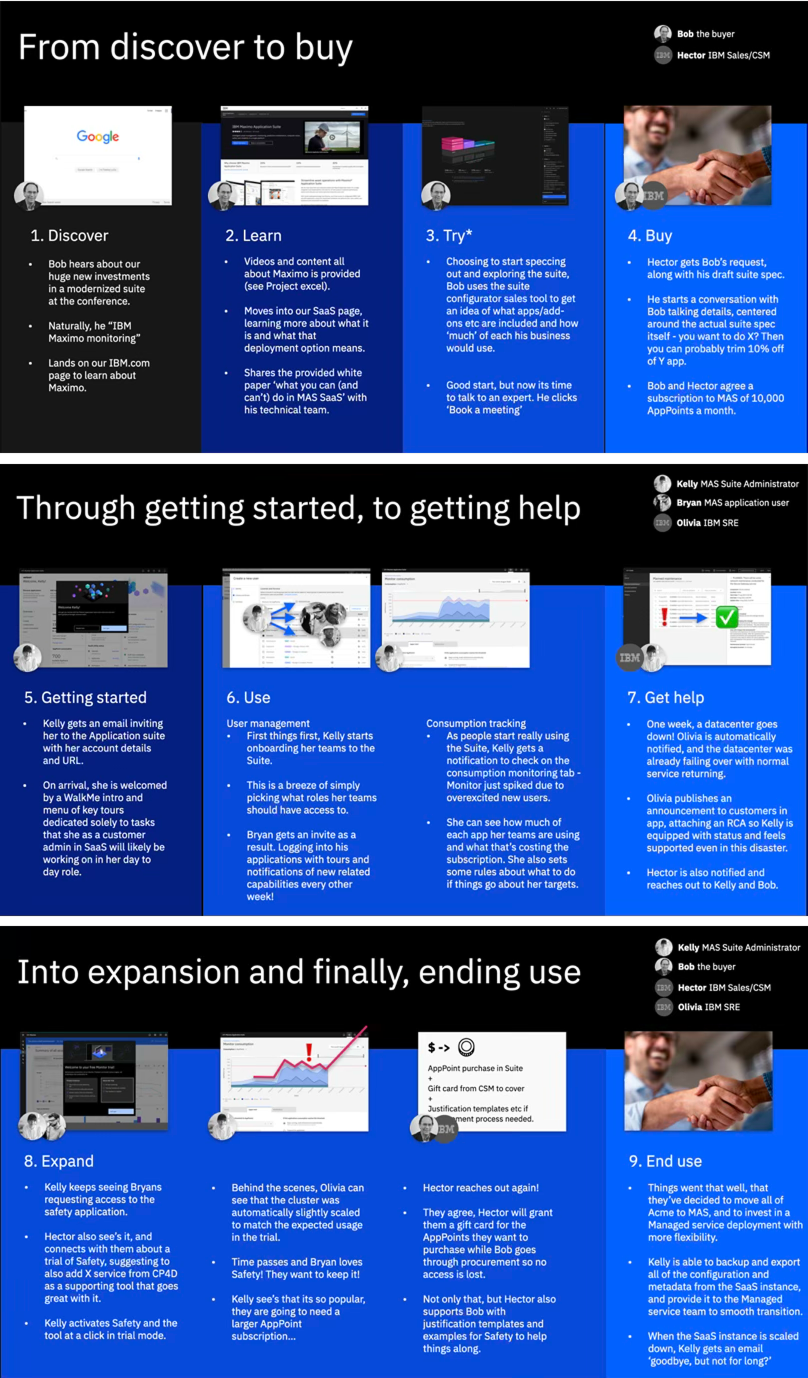
My contribution was to work across those seams rather than only inside one part of the problem. I helped map the line of responsibility between IBM and customer administrators, shape the key SaaS experience model, and define a more coherent approach to packaging and value metrics.
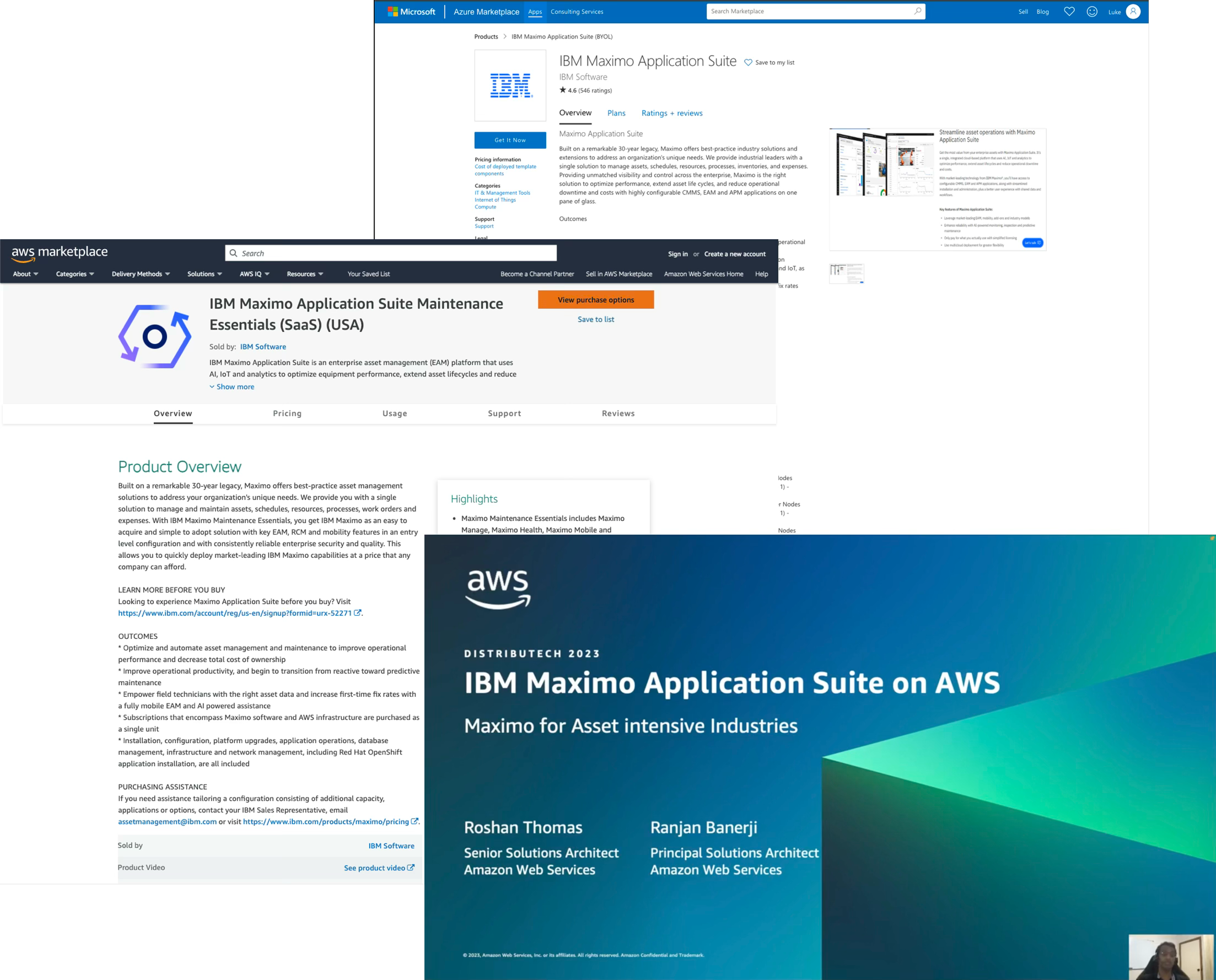
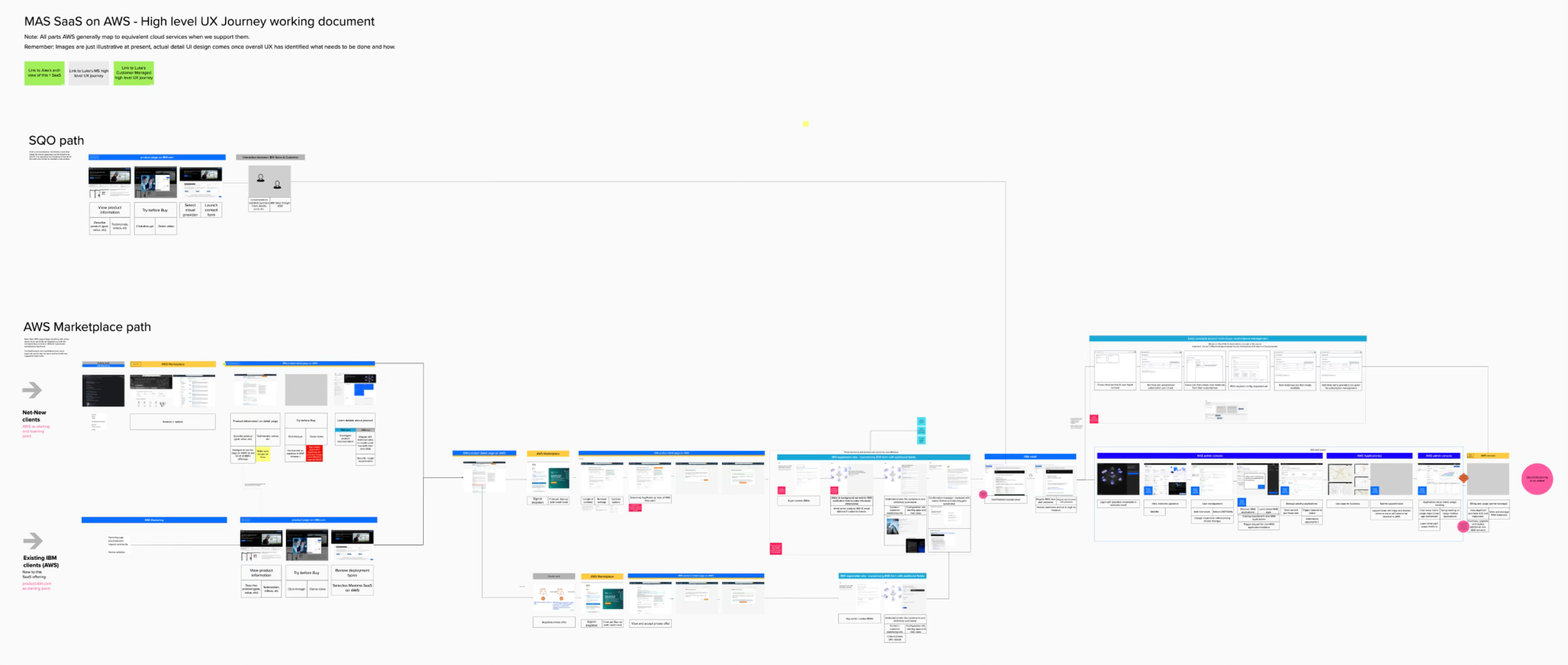
On the hyperscaler side, I mapped the full path from discovery through trial, purchase, and deployment, identified where experience design could most reduce friction, and used journey thinking and prototypes to help align teams around a practical route forward.
That input mattered because these transformations often fail in the joins - between product and operations, between pricing and experience, between what customers think they are buying and what the organization is actually set up to deliver. A clearer experience model helped reduce those seams and made the route to value more believable.
What made this hard
This is one of the clearest examples in my work of design shaping product viability and business model coherence, not just usability.
“Luke’s contributions and dedication in terms of working through requirements and holistic design strategy, then applying that in a practical manner is critical to us, to everything we achieved, right from inception.”

PK S.
Chief Product Officer, Trust Your Supplier, and former Product Management Director, IBM
Result
The result was not just cleaner flows in a few places. It was a more coherent model for how Maximo could be bought, deployed, and realized in a much more modern context.
Selected outcomes
Helped define a more viable SaaS-first experience model for Maximo
Simplified 20+ SaaS metrics into one clearer pricing concept
Helped simplify key configuration and onboarding flows
Contributed to Maximo’s path into AWS and Azure marketplaces
Supported transition of major epics into delivery
Contributed to work recognized with an Outstanding Technical Achievement Award