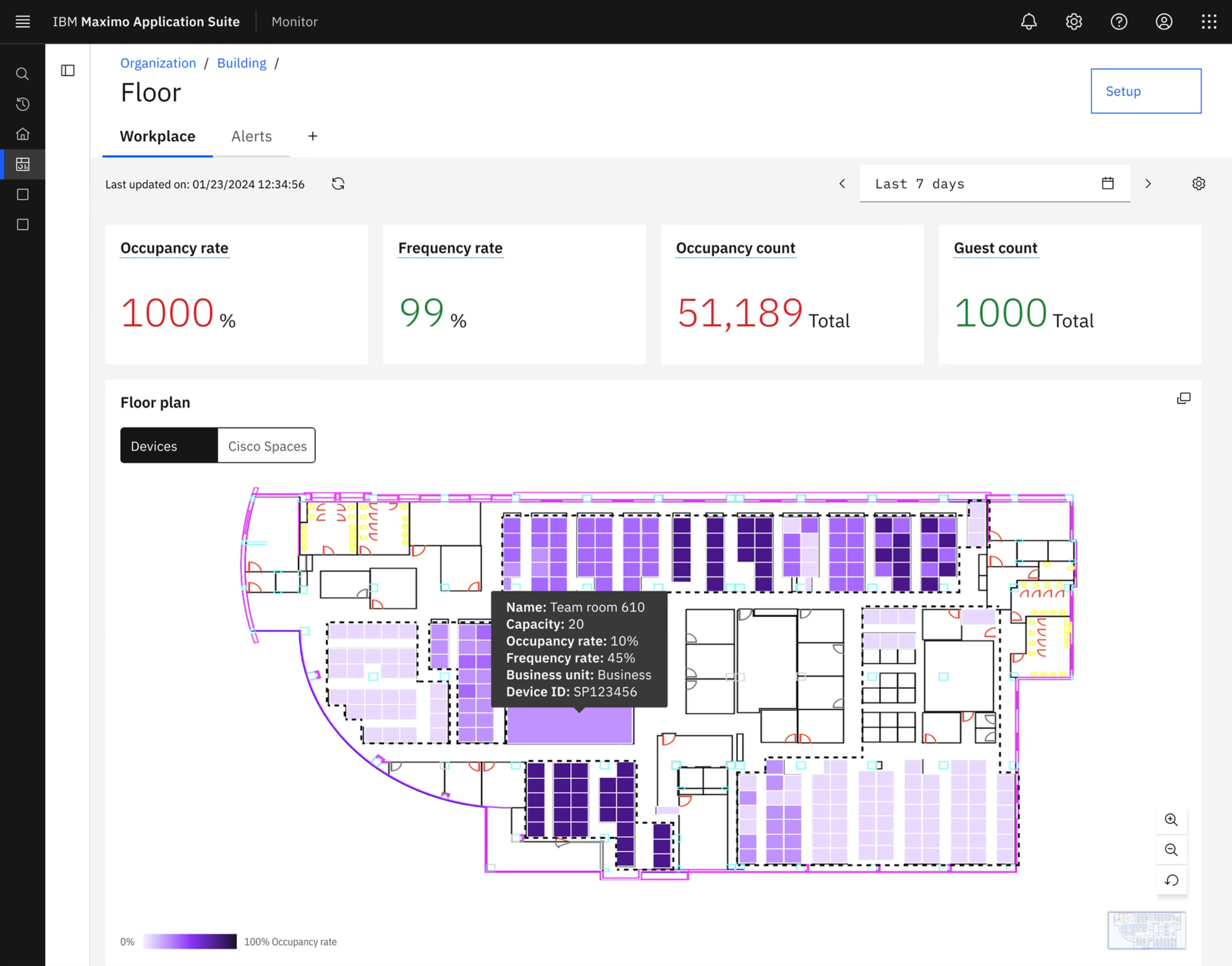
Watson IoT Connection & Analytics Service
Replacing fragmentation with a clearer product direction.
This was a portfolio simplification effort inside IBM Watson IoT, bringing together overlapping analytics and connection-related applications into a more coherent product direction for industrial and operations-focused users.
The Watson IoT portfolio had grown into a collection of overlapping applications and capabilities around device connectivity, analytics, and insight. For customers, that meant duplication, inconsistency, and too much effort spent understanding where one tool ended and another began.
I helped identify and shape a more coherent future for that portfolio, leading work that operated at portfolio level rather than only at feature or application level.
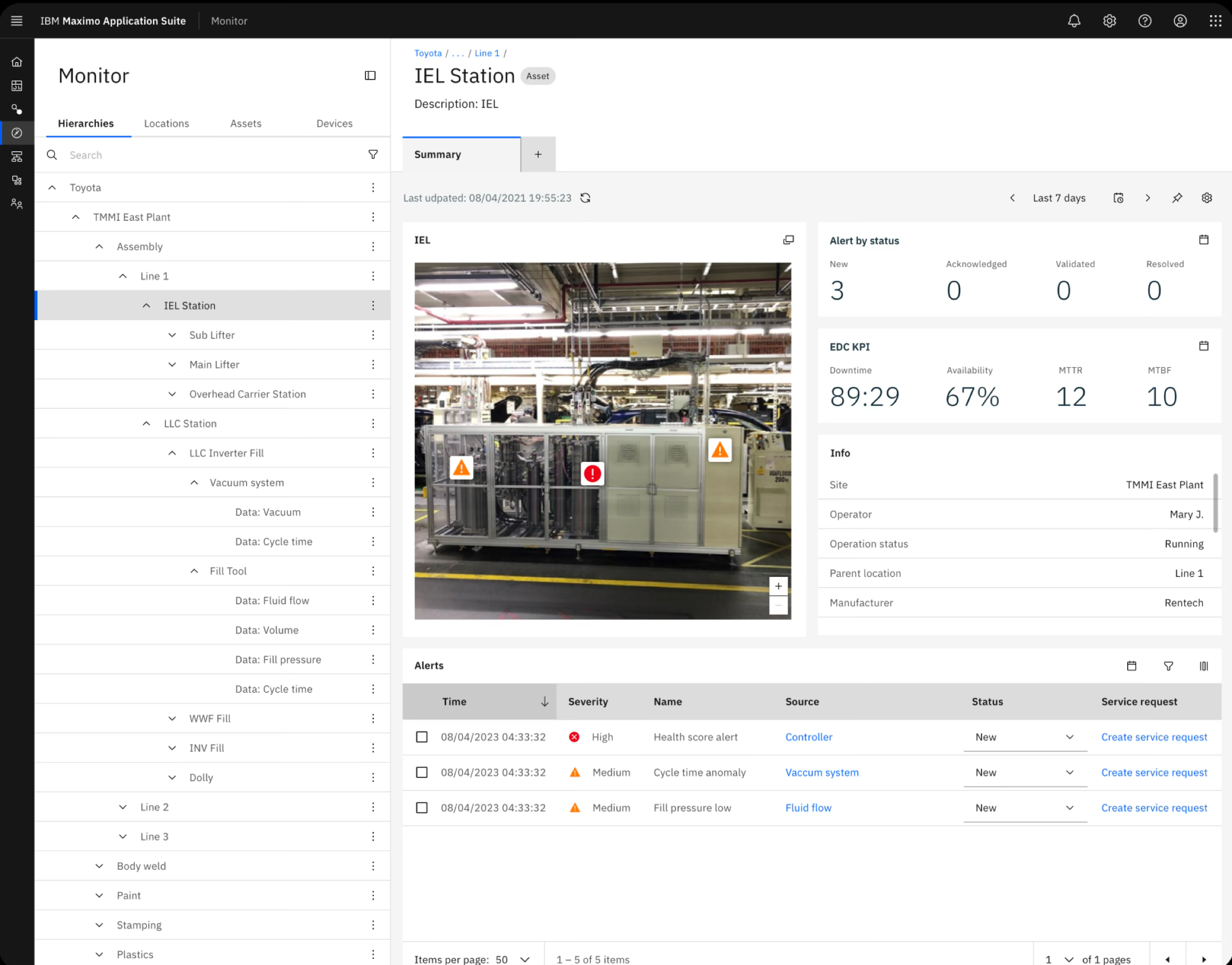
The challenge
The opportunity here was not to make one application better. It was to step back and ask what this family of capabilities should actually feel like as one product.
That required portfolio-level design thinking: understanding overlap, surfacing redundancy, clarifying value, and proposing a more unified direction the business could actually act on.
My role
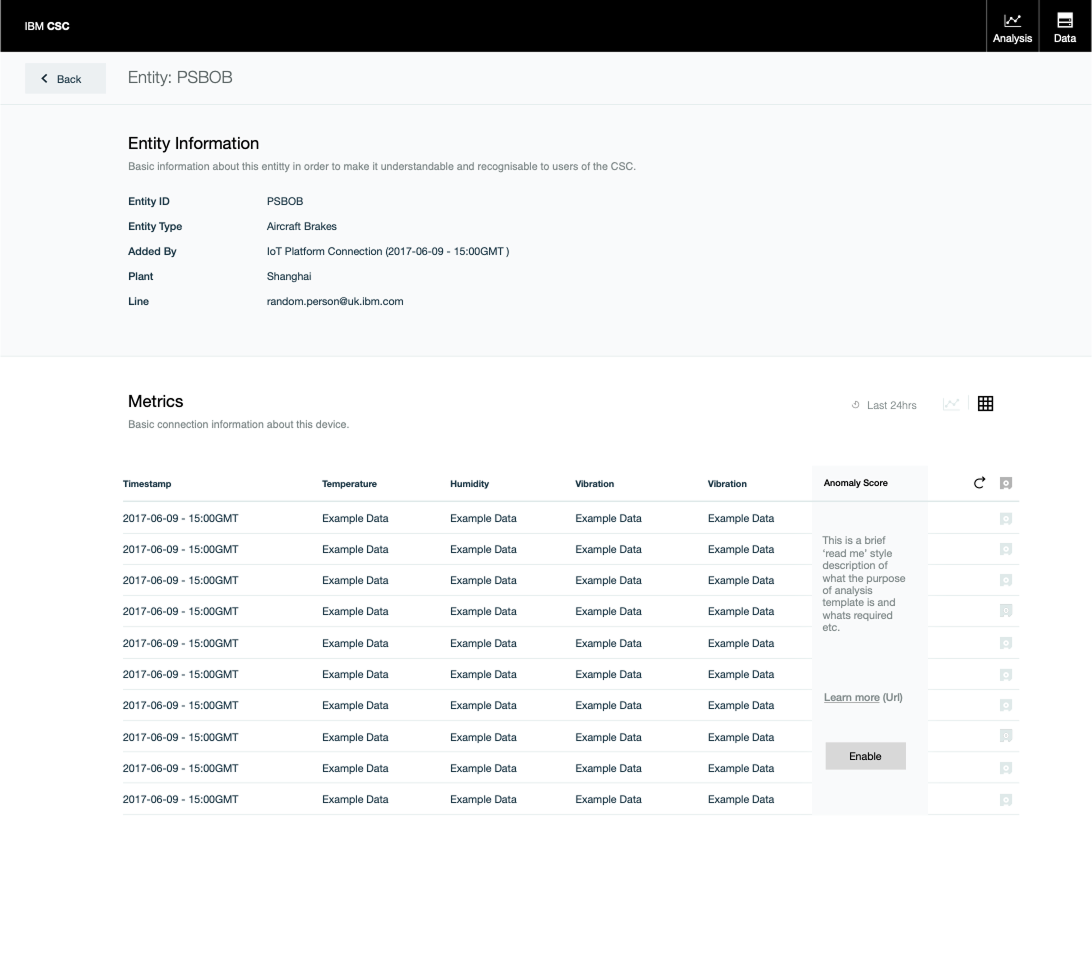
I led workshops, built concept models, and developed a unified experience direction that helped the organization converge around a simpler product model. A key part of the thinking was making advanced analytics more usable for domain experts, rather than expecting users to work like data scientists or piece together insight across multiple disconnected tools. The work also helped commercialize research-led ideas into a more usable single experience.
This is one of those projects where the visible design output was only one part of the contribution. Just as important was helping the business see the portfolio differently: not as a set of adjacent products to preserve, but as an opportunity to reduce sprawl, improve clarity, and free up energy for more meaningful work.
What made this hard
This is one of my clearest examples of design shaping portfolio strategy rather than just improving one workflow.
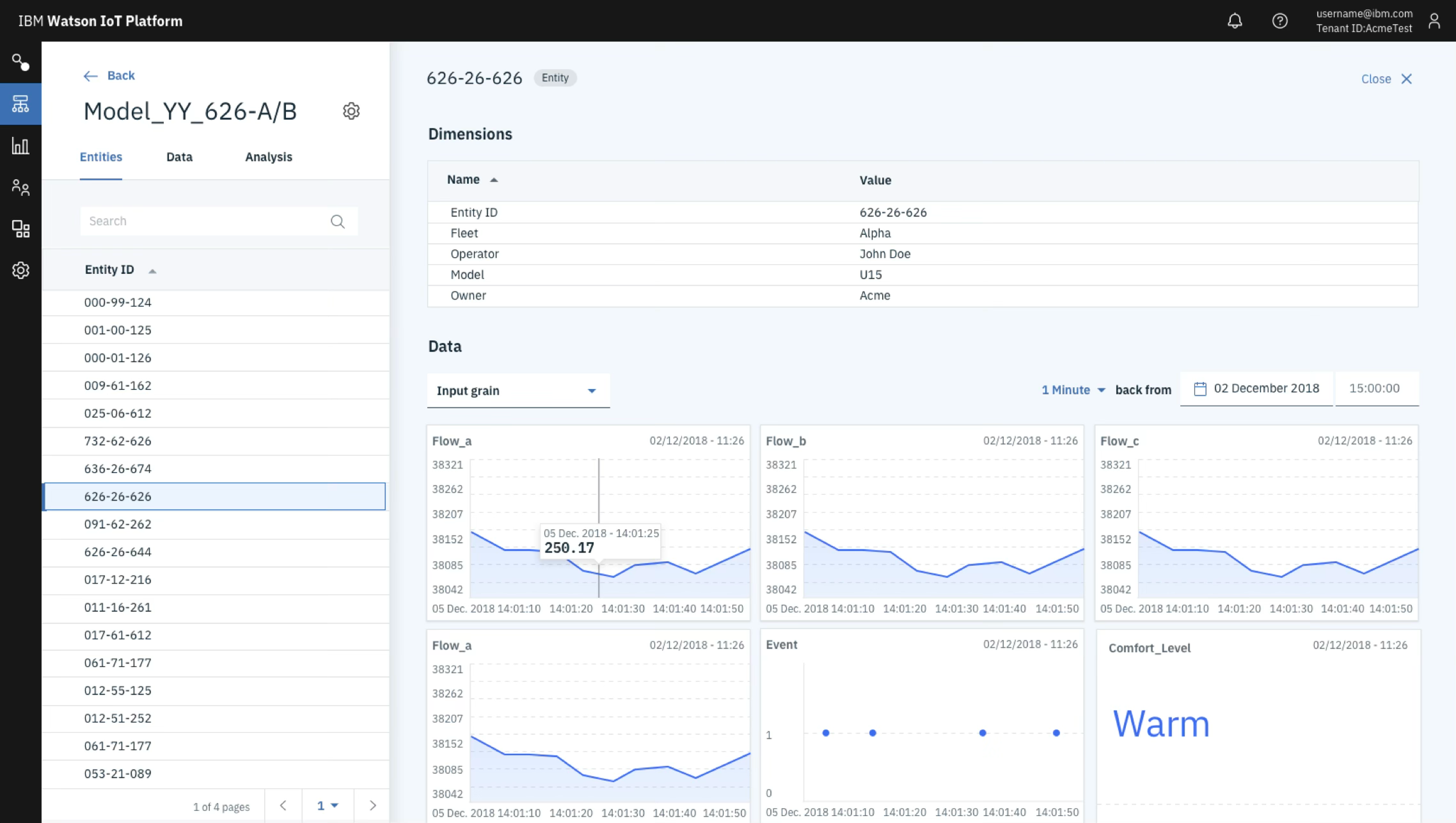
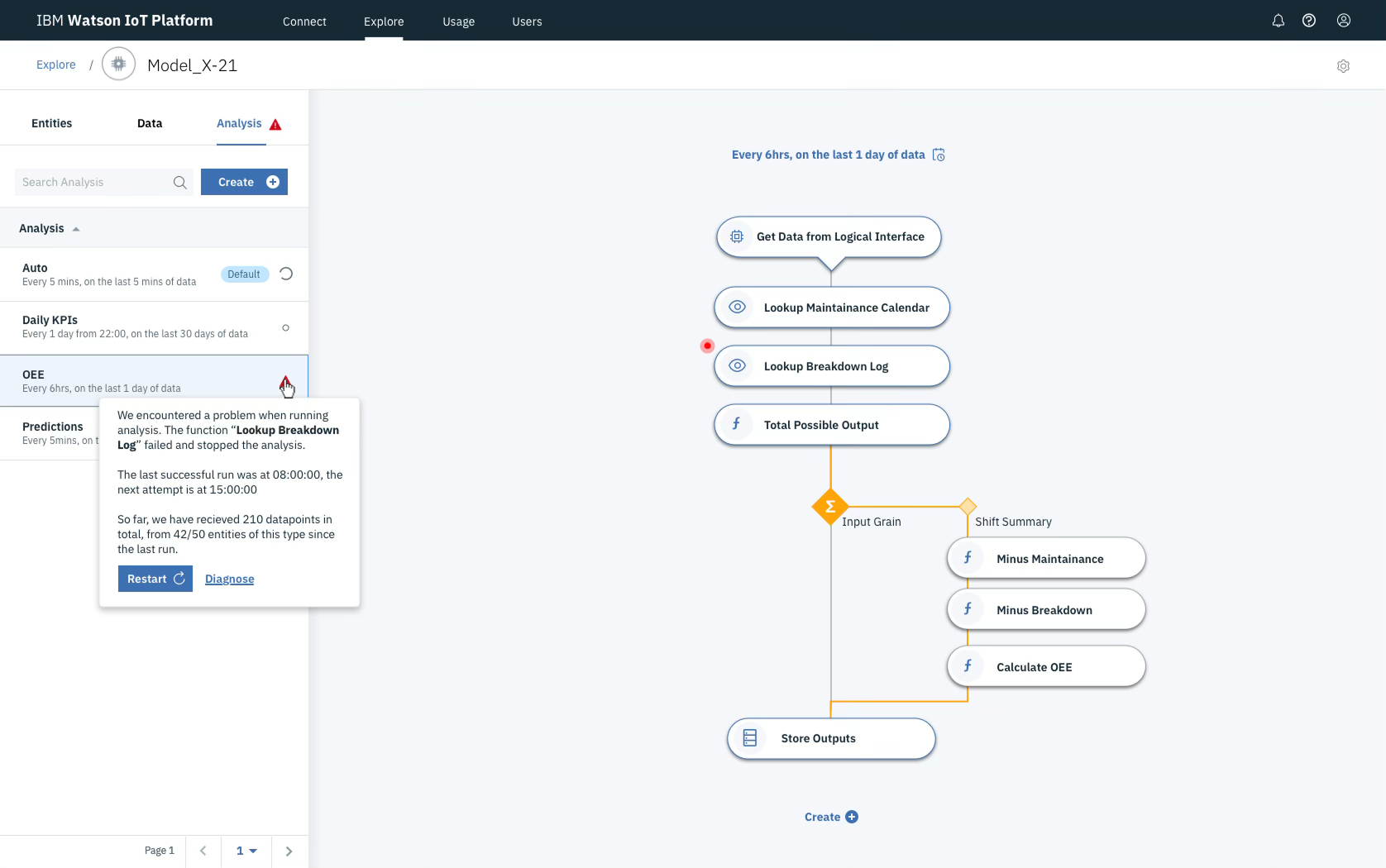
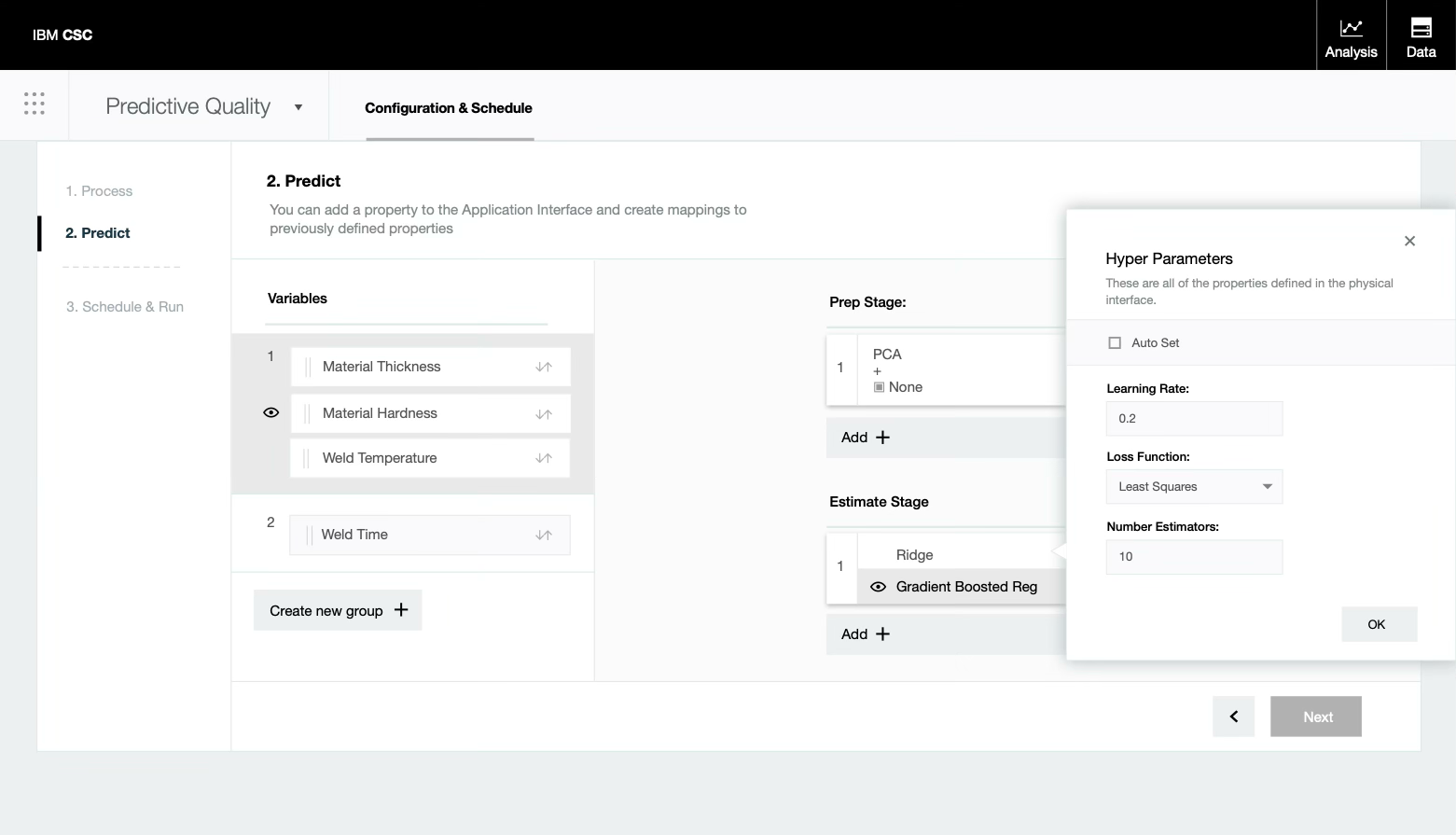
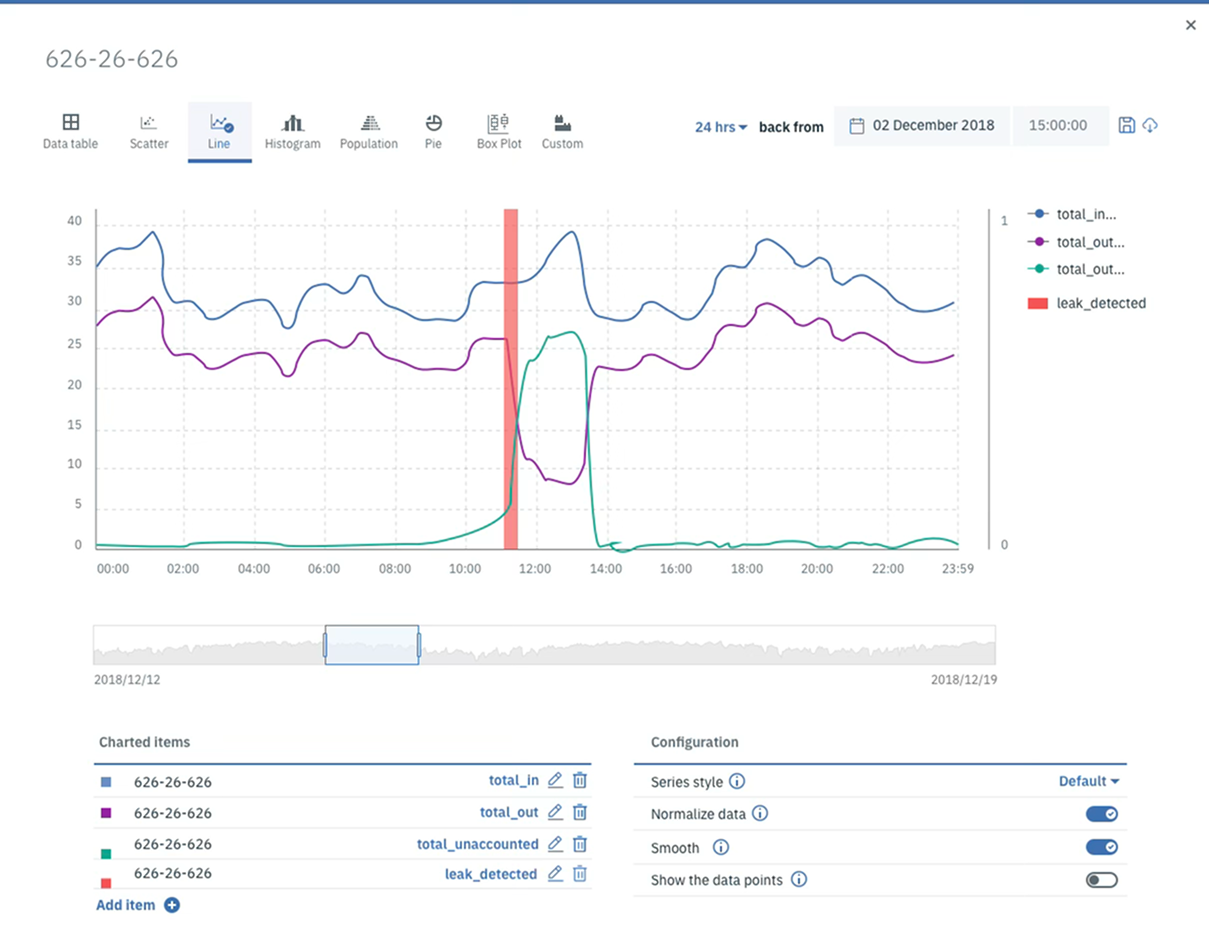
“Working with Luke on the IoT product consistently demonstrated excellent design and management, results were intuitive and he always acted as a true leader throughout the product cycle.”

Abhishek M.
VP of Product Pyte, and former Product Management, IBM
Result
The result was a stronger product direction, less duplication, and a clearer basis for both users and teams to move forward.
Selected outcomes
Helped unify 8 applications into a more coherent direction
Reduced required development footprint by roughly 4x, freeing teams for other work
Replaced 6 of 8 predecessor applications at launch
Helped preserve customer value while reducing product sprawl
Contributed to a relaunch delivered in 90 days during the next phase