IBM Sustainability
Design System
Creating the infrastructure that helped multiple product teams move faster
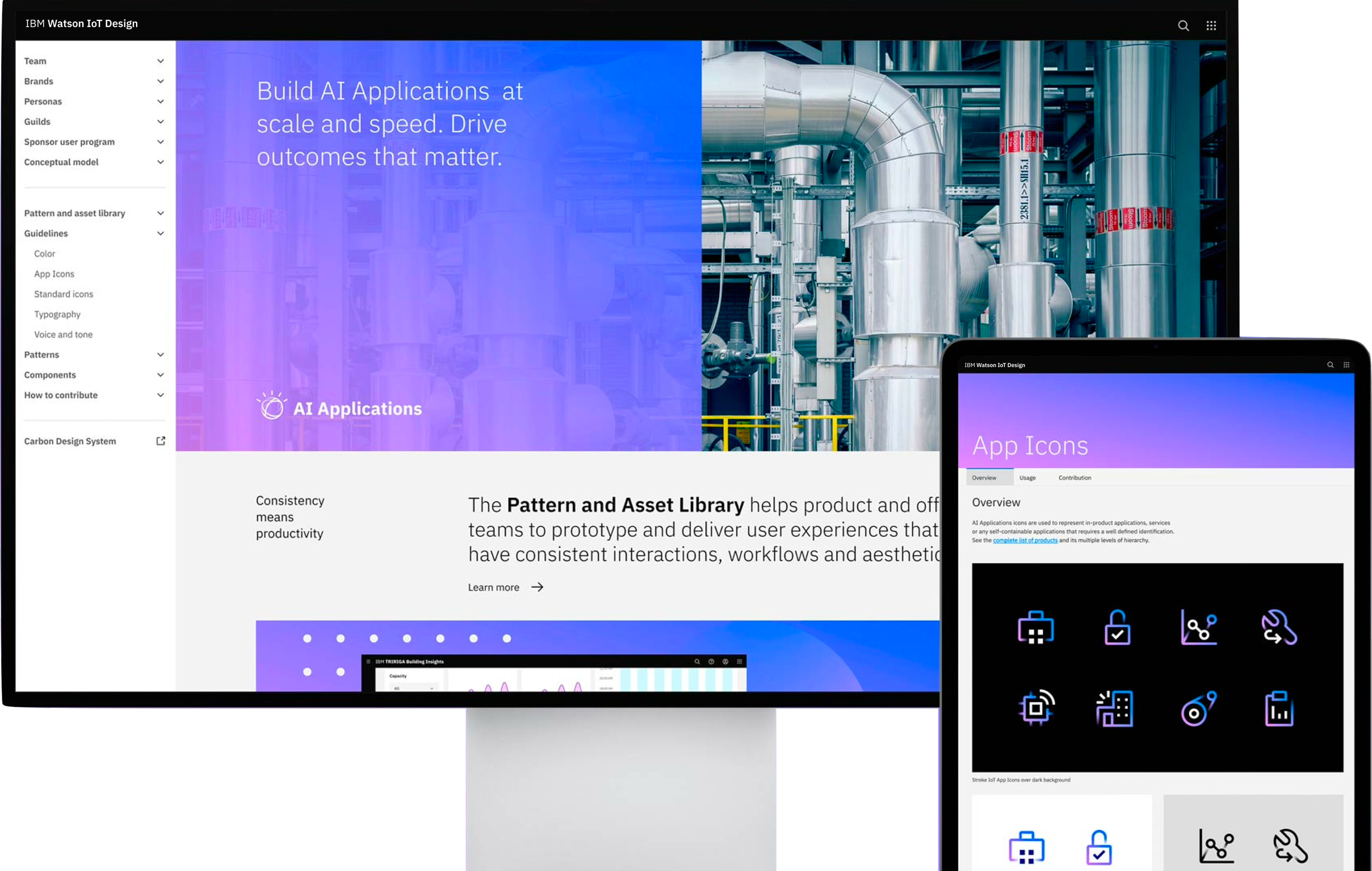
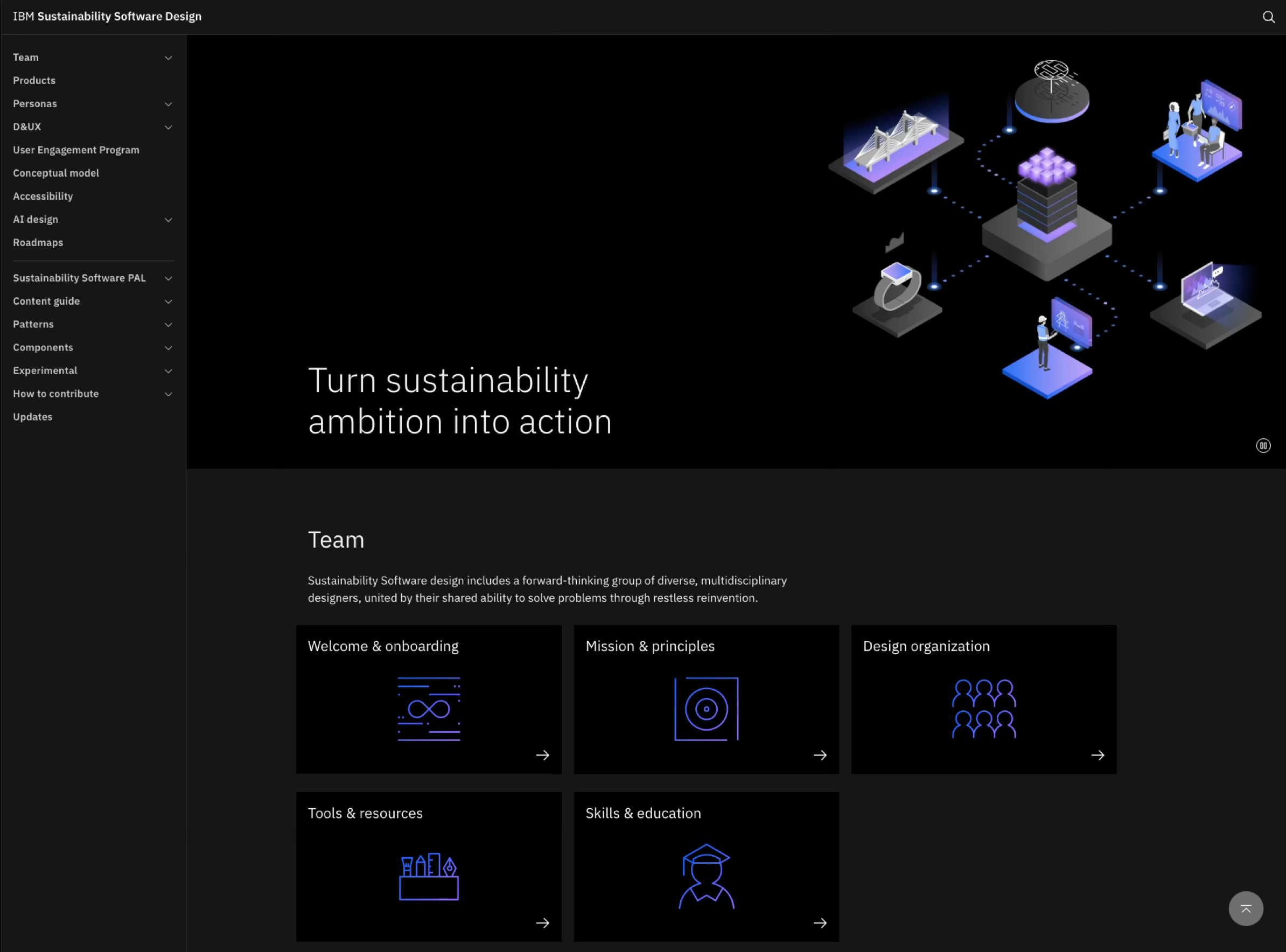
The IBM Sustainability Design System was the shared foundation of components, patterns, guidance, and contribution mechanisms used to help multiple products across the portfolio design and ship more consistently.
I helped build and evolve that shared foundation, contributing to the components, guidance, and operating mechanisms that enabled teams to design and ship with more speed and consistency.
The challenge
As IBM expanded its Sustainability Software portfolio, one problem was obvious: if every team solved the same foundational interaction problems independently, the result would be slower delivery, more inconsistency, and a weaker overall user experience.
What made this work valuable was that it was never just about a component library. A design system only matters if teams can actually use it, trust it, and build with it. That meant the real job was creating patterns strong enough for enterprise complexity, practical enough for product teams, and supported enough to gain real adoption over time.

My role
I contributed to the design and governance of 40+ components and patterns, authored usage guidance, supported adoption across teams, and helped create the contribution and enablement structures that allowed the system to scale.
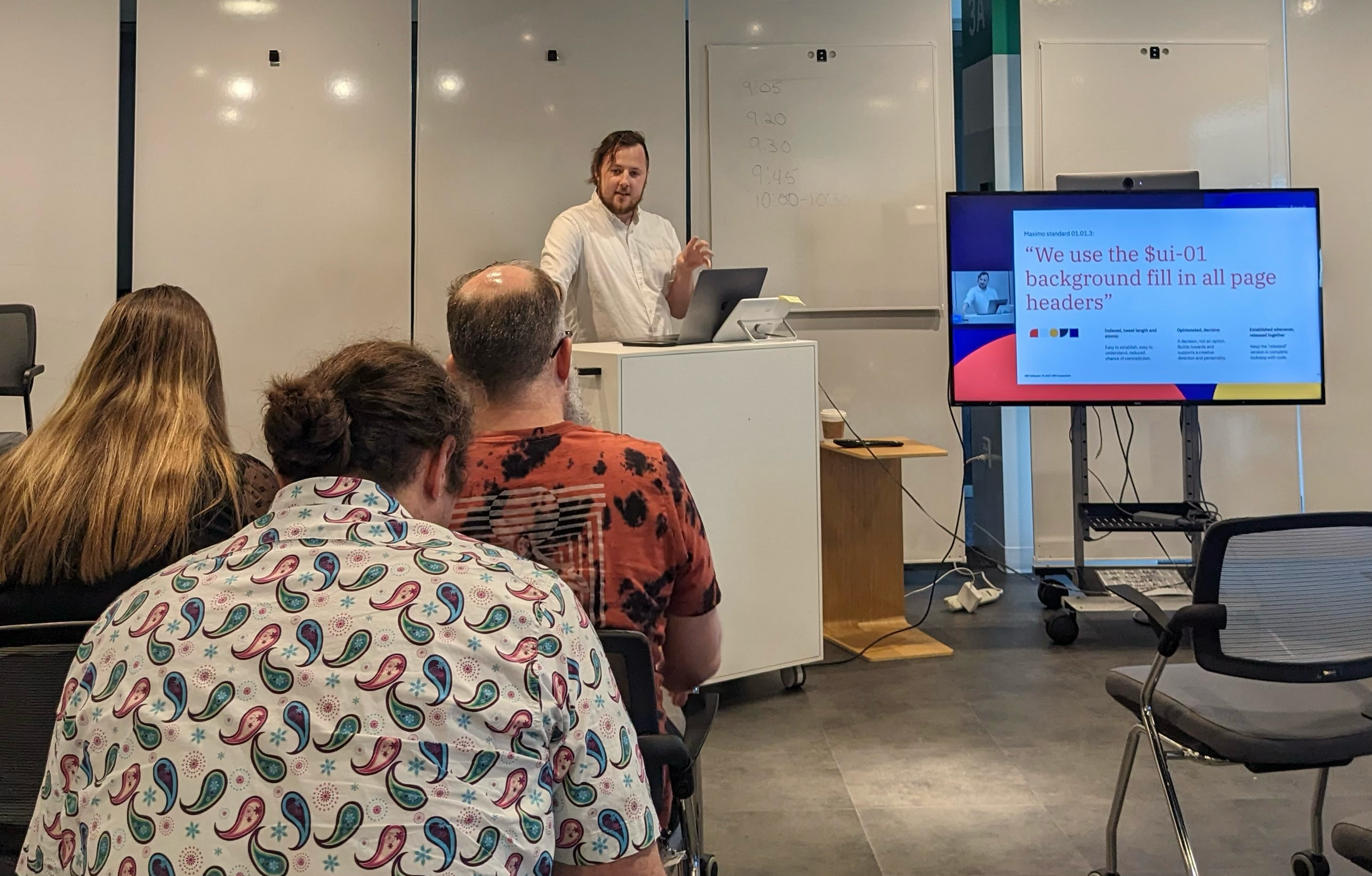
That included not just assets, but the model around them: how teams contributed, how questions were answered, how patterns were socialized, and how good practice spread through the organization.
What made this hard
I’m proud of this one because its impact was distributed. Much of its value showed up through other teams moving better and faster.
Result
That work showed up in very practical ways. Teams moved faster because they no longer had to repeatedly solve the same basic problems. Products became more consistent. Designers and developers had a stronger shared language. And as the portfolio grew, there was a much stronger base to grow from.
Later, I helped that foundation evolve into the broader Sustainability Software pattern and asset library, extending its value beyond the original context.
Selected outcomes
Helped support 7+ major product launches
Contributed to an estimated 30–50% acceleration in delivery
Built and supported a library of 40+ components and patterns
Helped establish contribution and enablement practices for broad adoption
Created leverage across large product and design teams