Maximo Application Suite
Unifying two major enterprise platforms & 10 applications into a coherent suite
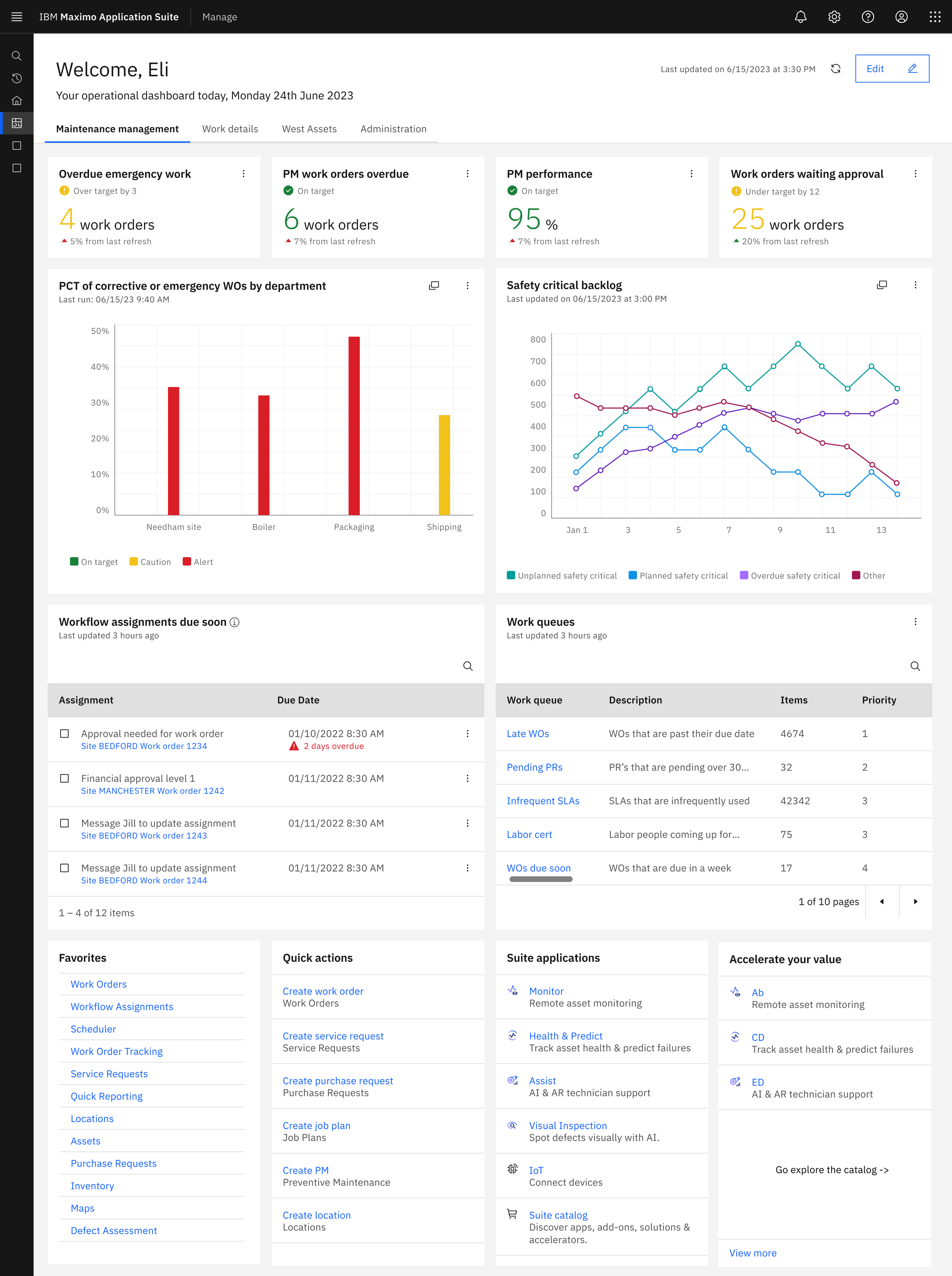
IBM Maximo is enterprise software used by organizations such as utilities, manufacturers, transportation providers, and facilities teams to manage physical assets, maintenance, inspections, operations, and the lifecycle of the systems they depend on.
I led experience strategy for key parts of Maximo’s transformation into Maximo Application Suite, helping turn a broad set of legacy and acquired products into something that behaved like a real suite rather than a loose collection of applications.
The challenge
This was not simply a UI refresh. The real challenge was creating coherence across products with decades of history, very different interaction models, and expert users who relied on them every day to run high-stakes operations.
Some applications had evolved independently for years. Some had been acquired. Some were broad and administrative; others were deeply specialized. The work had to make the overall platform feel more unified and easier to consume, without flattening the complexity that made it valuable in the first place.
My role
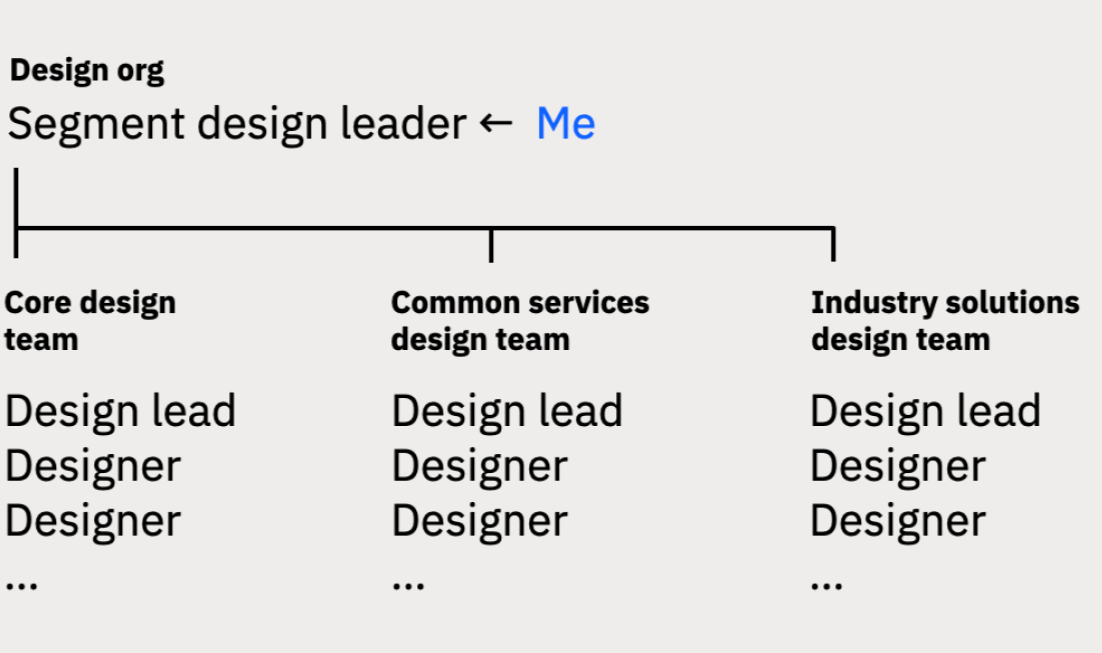
Design segment lead
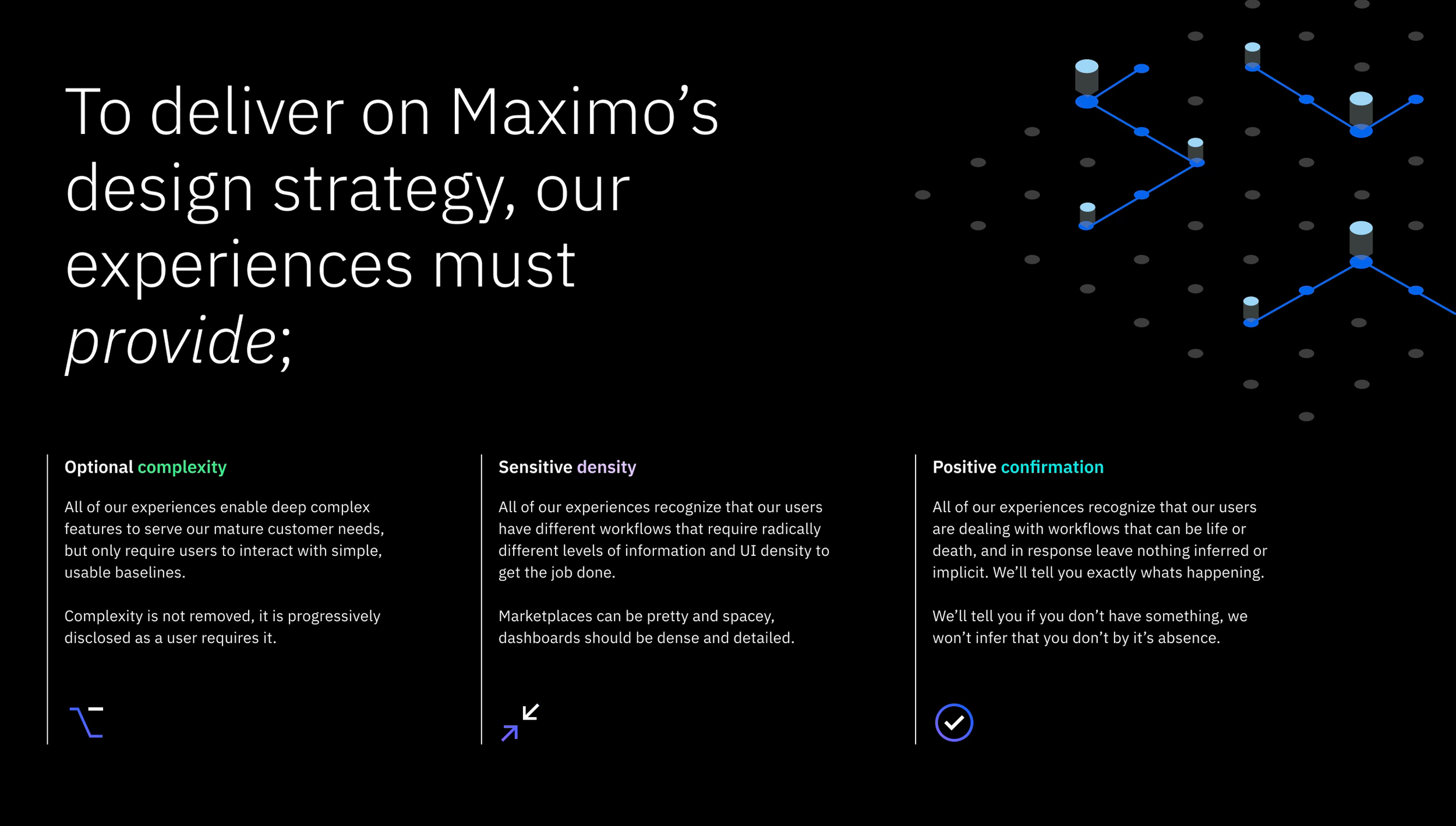
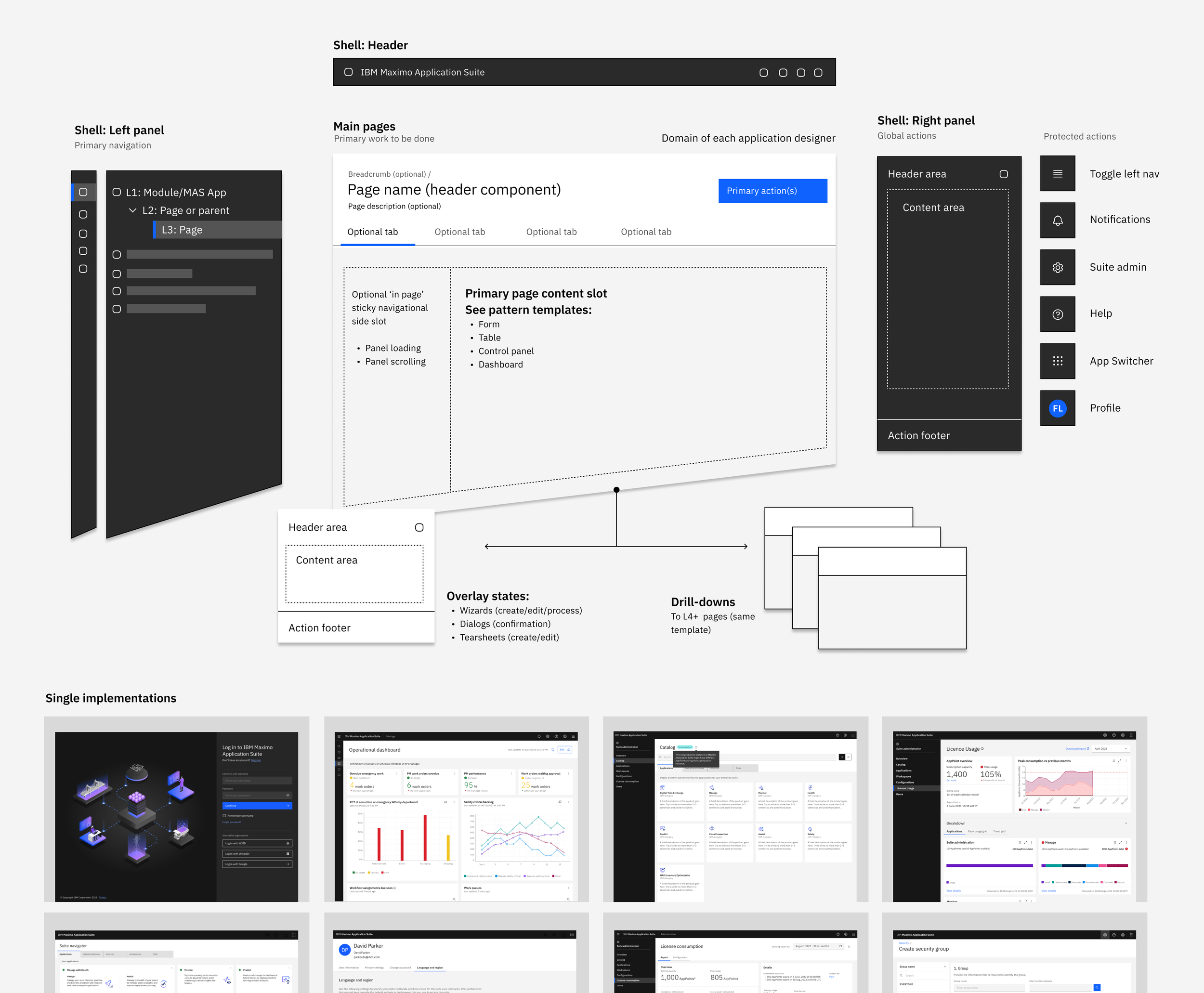
My contribution sat in the layer between product strategy and interface detail. I defined the suite UX model, shape shared experience principles, and guide the design of common services, administration, and cross-suite patterns.
That meant making deliberate decisions about where products should feel the same, where they should stay different, and what structure would make the suite easier for both customers and internal teams to work with over time.
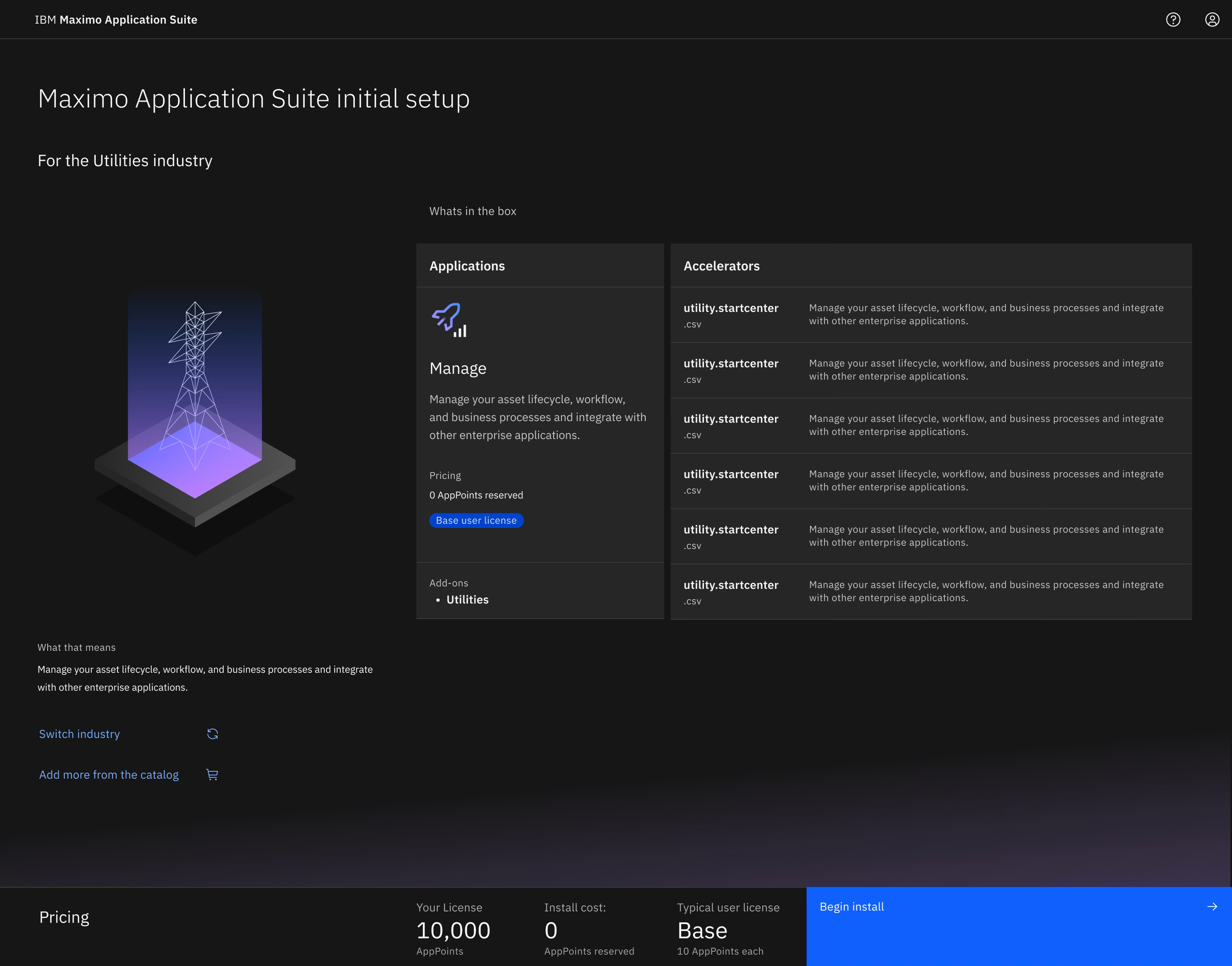
That work expressed itself in tangible ways. It created a stronger shared foundation for navigation, setup, and administration. It reduced repeated design and development effort. It gave teams a clearer model to build against. And for customers, it made the suite feel more intentional, more scalable, and easier to grow into.
What made this hard
The hardest part was not making things look more consistent. It was creating a model multiple products, teams, and specialist user groups could genuinely align around without losing what mattered.
“Thanks to his extreme organization and effectiveness, at this point Luke’s team is the key interaction point around which all of the other disciplines consistently revolve”

Ron B.
CTO Trustwise.ai and former Distinguished Engineer, IBM
Result
The result was a platform that became easier to adopt, easier to extend, and easier to maintain. Just as importantly, the work helped establish a model later used more broadly across IBM Sustainability Software. Maximo has remained the clear market leader in the EAM space.
Selected outcomes
Unified 10+ applications and 2 legacy platforms into a shared suite model.
Contributed to a 35% average usability uplift for onboarded apps.
Helped simplify key administration and setup experiences.
Supported products used directly by 100,000+ people globally every day.
Helped establish an experience foundation used beyond Maximo itself.
Awards
First designer to win ‘Corporate Technical Award’
Major outstanding innovation award
Outstanding technical achievement award
Design Luminary award
Culture catalyst award