Reliability Strategies
Turning a strategic acquisition into a working product in four months
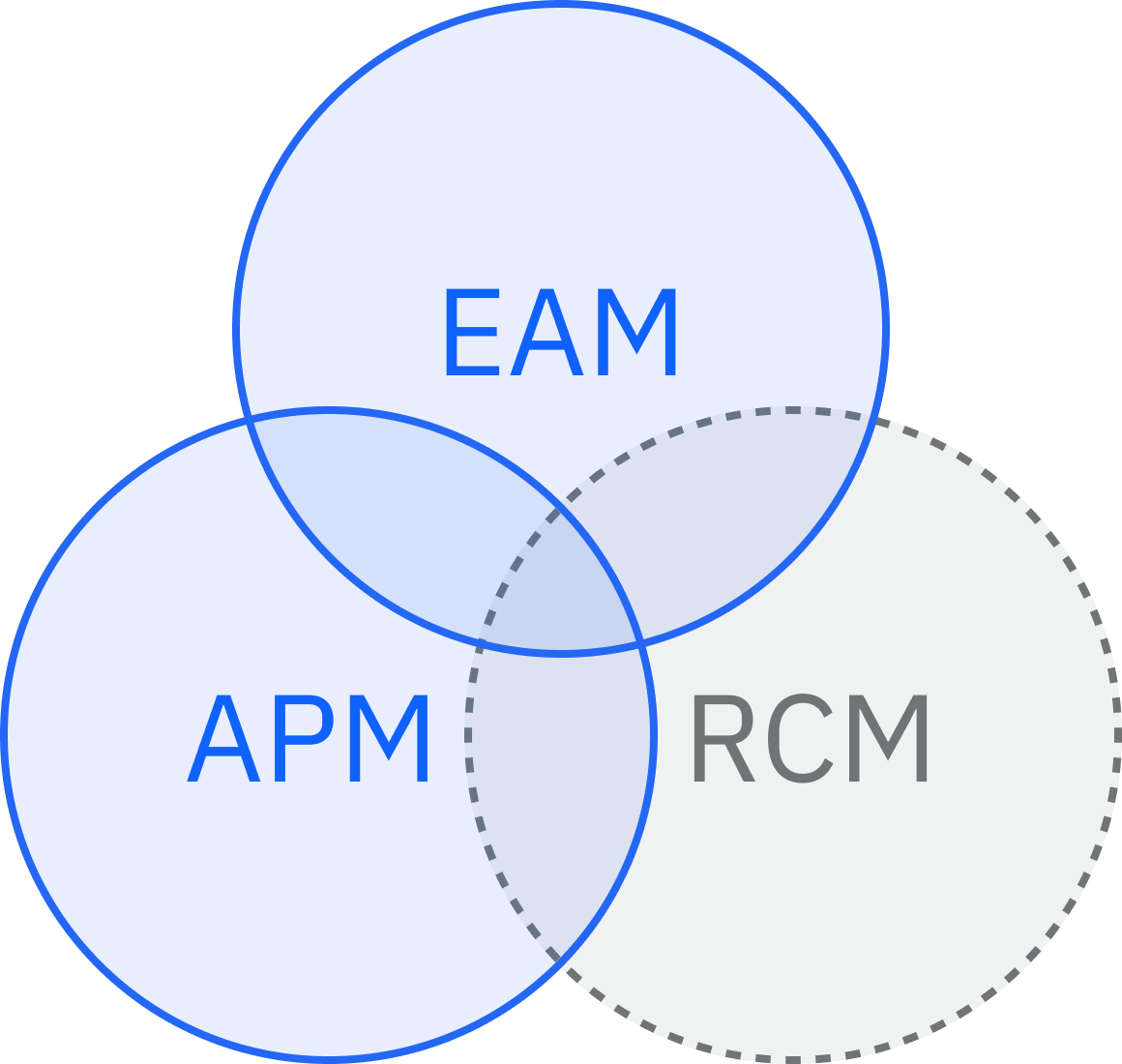
Reliability Strategies is software for reliability-centered maintenance - the discipline used to determine how critical assets fail, what the consequences are, and what maintenance strategy makes the most sense in response.
I helped shape the acquisition, UX direction, and launch of IBM Maximo Reliability Strategies, bringing this capability into the broader asset management portfolio.
The challenge
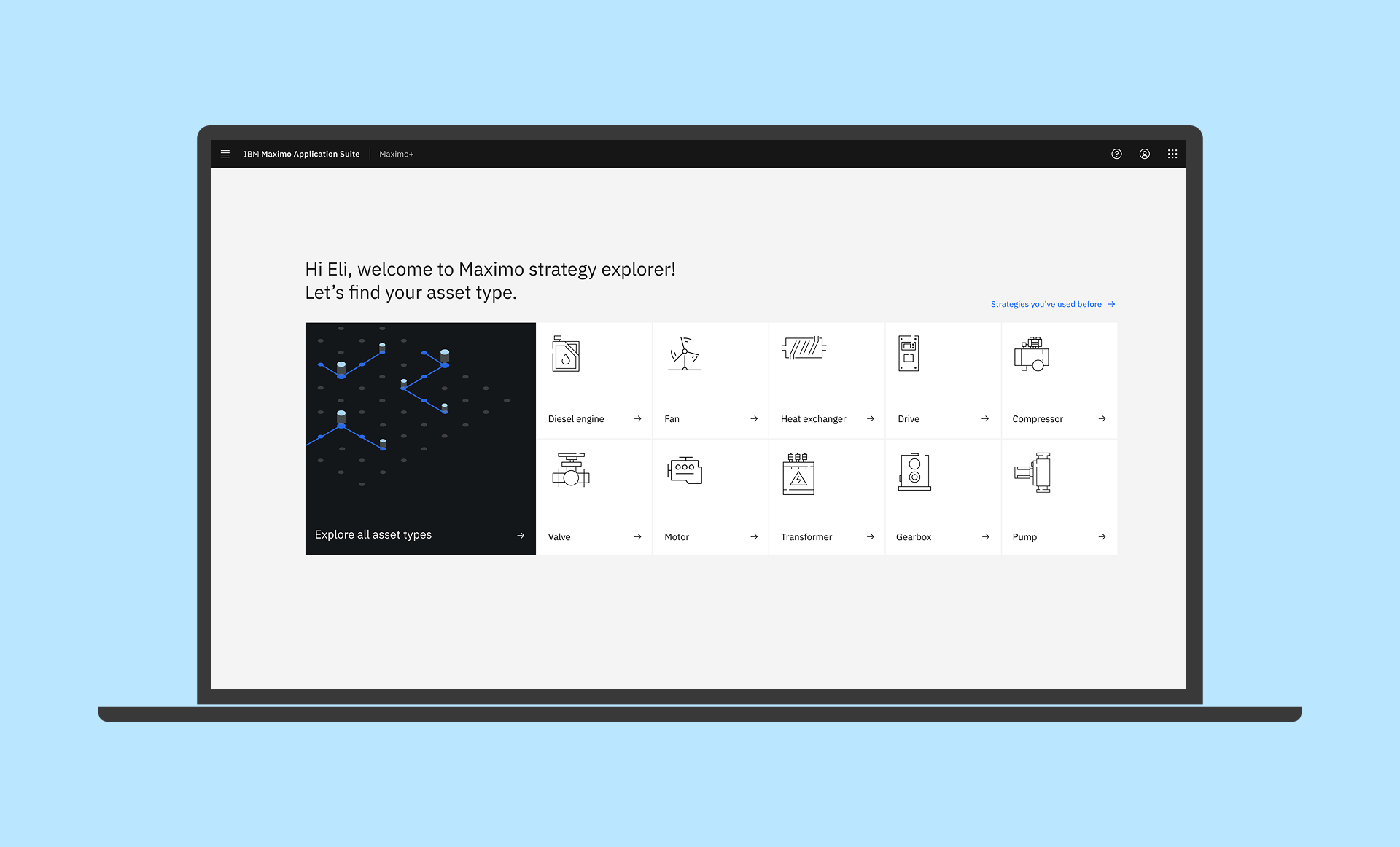
What made this especially interesting was the mix of speed, complexity, and domain depth. We were working with newly acquired capability, specialist workflows, and a practice that is powerful in the real world but not naturally simple in software.
There was a real risk of preserving too much complexity and making it hard to use, or oversimplifying it and losing credibility with practitioners. We had to move quickly without producing something shallow.
My role
My role began before the product fully existed inside IBM. I created early “what if” prototypes that helped support the acquisition case by showing what the capability could become as part of Maximo. After the acquisition moved forward, I worked with the acquired team to define a practical MVP path, shape the overall experience direction, and guide the move from several separate tools and models toward one more coherent product experience.
A large part of my contribution was translation. Reliability engineers think in structured frameworks, failure modes, consequences, and maintenance logic. Software organizations tend to think in screens, flows, release scope, and technical implementation. The work required bridging those worlds so the product felt grounded in the real practice rather than like generic software wearing engineering language.
What made this hard
This is a good example of design shaping confidence in a product, an acquisition, and a delivery path - not just improving screens.
“Put directly – We need more people like Luke, who can look beyond the surface, discover the underlying needs of the users, and help us move through debate, into action.”

Mike H.
Director of Product Management, NVIDIA, and former Distinguished Engineer, IBM
Result
That effort showed up directly in the result. The experience became materially easier to complete successfully, more cohesive, and more aligned to the way the discipline actually works. It also helped IBM enter an important space with more confidence and much faster than it likely otherwise would have.
Selected outcomes
Helped influence a multi-million-dollar acquisition decision
Reduced task failure by 4x versus the pre-acquisition UI
Consolidated 3 existing experiences into 1 more coherent flow
Went from acquisition close to launch in 4 months
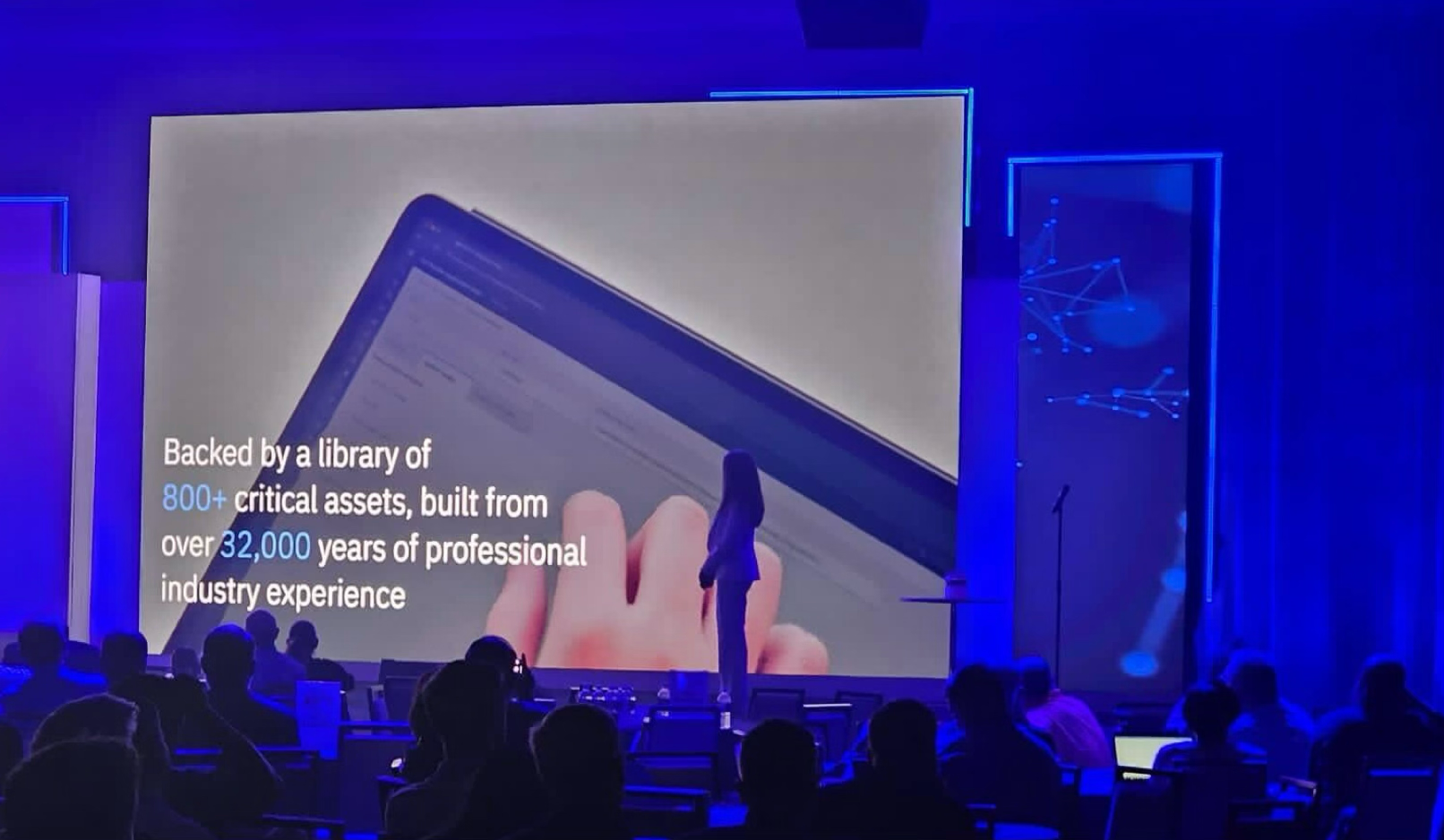
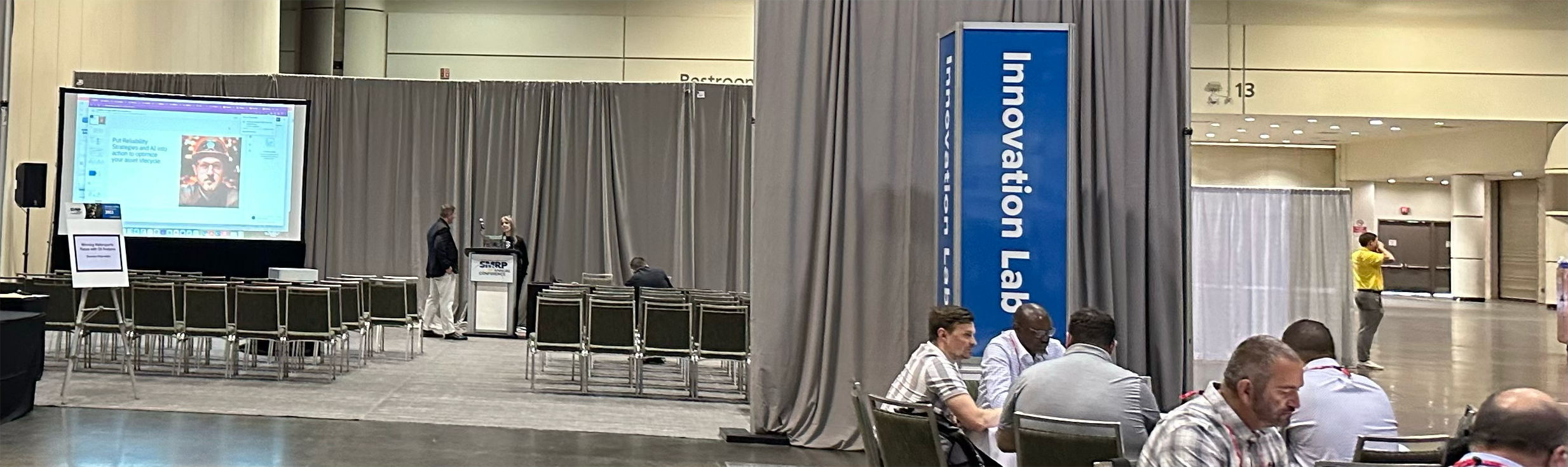
Supported a launch unveiled at MaximoWorld.
“Maximo has now done what all others have failed to achieve”
Terence O’Hanlon
CEO of ReliabilityWeb, MaximoWorld conference host, and reliability industry oracle referencing the introduction of Reliability Strategies.